


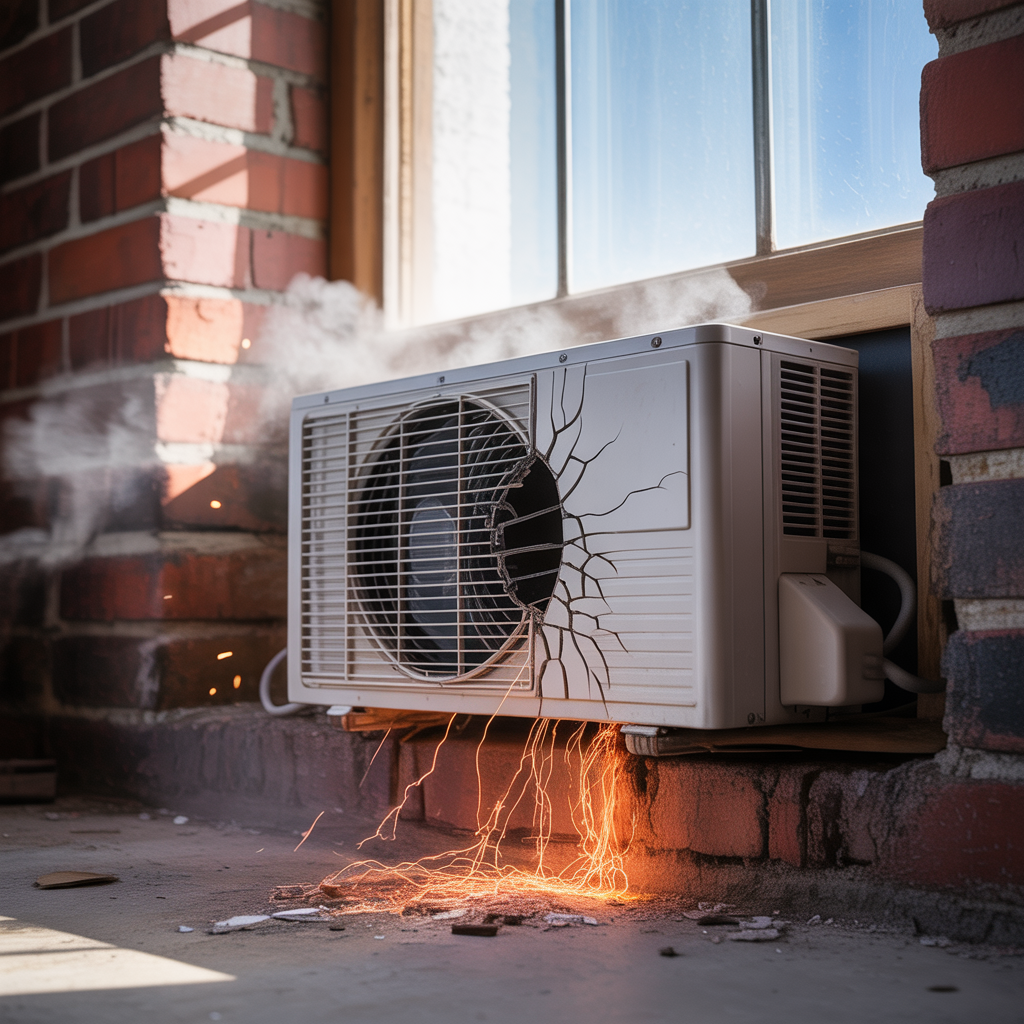
Introduction: That Moment When the AC Just… Gives Up
You know what’s interesting? An air conditioner never breaks at a “good” time. It’s always on the hottest day of the year. You walk into your room expecting that cool blast of air, and instead—nothing. Or worse, warm air. We’ve all been there, trust me.
A breaking AC isn’t just a minor inconvenience. It can ruin sleep, productivity, and honestly, your mood. One minute you’re fine, the next you’re sweating, frustrated, and Googling repair costs at 2 a.m.
But here’s the good news: a breaking AC doesn’t always mean a dead AC. Sometimes it’s a small issue. Other times, yeah, it’s more serious. Either way, understanding why your AC is breaking and what you can do about it can save you time, money, and a lot of stress.
So let’s talk about breaking AC units in a real, human way—no confusing jargon, no scare tactics. Just clear, helpful advice you can actually use.
What Does “Breaking AC” Really Mean?
When people say their AC is breaking, they usually mean one of three things:
- The AC has stopped working completely
- The AC is working, but poorly
- The AC is making strange noises or acting “off”
And honestly, all three situations matter.
A breaking AC doesn’t always shut down overnight. Most of the time, it gives warning signs. The problem is, we often ignore those signs until the unit finally quits.
Common Signs Your AC Is Breaking
Let’s start with the obvious ones:
- Warm air blowing instead of cool air
- Weak airflow from vents
- Strange noises like rattling, buzzing, or grinding
- Bad smells when the AC runs
- AC turning on and off repeatedly
- Rising electricity bills with no clear reason
If any of these sound familiar, your AC might be in the early stages of breaking down.
Why AC Units Break in the First Place
You might be wondering, why does an AC even break? Especially if it worked fine last summer.
Well, air conditioners are mechanical systems. And like anything mechanical, they wear down over time.
Lack of Regular Maintenance
To be honest, this is the number one reason behind a breaking AC.
Dirty filters, clogged coils, and neglected parts force the system to work harder. Over time, that extra strain leads to breakdowns.
Age of the AC Unit
Most AC units last around 10–15 years. If your system is older than that, breaking AC problems become more frequent.
And yes, even if it “still runs,” internal parts may be failing quietly.
Electrical Issues
Loose wiring, faulty capacitors, or worn-out contactors can cause an AC to stop working suddenly. And electrical problems can be dangerous if ignored.
Refrigerant Leaks
Low refrigerant levels are a big deal. They reduce cooling efficiency and can damage the compressor, which is one of the most expensive AC parts to replace.
Extreme Weather Conditions
Heat waves force AC systems to run non-stop. Over time, this constant workload increases the risk of a breaking AC—especially if the unit wasn’t designed for extreme temperatures.
Breaking AC in Summer: Why It’s So Common
Let’s be real—most ACs break in summer. And there’s a reason for that.
During hot months, your AC works harder and longer than any other time of the year. That means:
- More pressure on the compressor
- Higher electricity usage
- Faster wear on internal components
And if the AC already had a minor issue, summer heat can turn it into a full breakdown.
So if your AC is breaking during peak summer, you’re not alone. It happens more than people realize.
Things to Check Before Calling a Technician
Now, before you panic and call for expensive repairs, let’s slow down for a moment. Some breaking AC problems are surprisingly simple.
Check the Thermostat
It sounds obvious, but you’d be shocked how often this is the issue.
- Is it set to “cool”?
- Is the temperature lower than room temperature?
- Are the batteries working?
Sometimes, that’s all it takes.
Inspect the Air Filter
A dirty filter can block airflow completely. If your AC feels weak or isn’t cooling, replace the filter.
Trust me, this one small step fixes a lot of “my AC is breaking” complaints.
Look at the Circuit Breaker
If your AC won’t turn on at all, check the breaker panel. A tripped breaker could be the culprit.
Check Outdoor Unit
Make sure the outdoor condenser isn’t blocked by dirt, leaves, or debris. Restricted airflow can cause overheating and shutdowns.
When a Breaking AC Needs Professional Help
Sometimes, DIY checks aren’t enough. And that’s okay.
You should call a professional if:
- The AC makes loud or metallic noises
- There’s a burning smell
- The system leaks water or refrigerant
- The AC shuts down repeatedly
- Cooling is inconsistent across rooms
Trying to fix complex issues without proper training can make the problem worse.
Repair vs Replacement: What’s the Smarter Choice?
This is where many homeowners get stuck. Do you repair a breaking AC, or replace it entirely?
When Repair Makes Sense
- The AC is less than 8 years old
- The repair cost is relatively low
- The system has been reliable until now
In these cases, repairing a breaking AC is often worth it.
When Replacement Is the Better Option
- The AC is over 10–15 years old
- Repairs are frequent and expensive
- Energy bills keep increasing
- Cooling performance is poor even after repairs
Replacing an old, breaking AC might cost more upfront, but it saves money and stress in the long run.
How a Breaking AC Affects Your Energy Bills
Here’s something many people don’t realize: a breaking AC often uses more electricity.
Why? Because damaged components force the system to work harder to achieve the same cooling result. That means:
- Longer run times
- Higher power consumption
- Increased monthly bills
If your energy bills are climbing while cooling performance drops, your AC may be breaking internally.
Preventing AC Breakdowns: Simple Habits That Matter
The best way to deal with a breaking AC is to prevent it from happening in the first place.
Schedule Regular Maintenance
Annual or bi-annual servicing can catch small issues before they turn into major breakdowns.
Change Filters Regularly
Every 1–3 months, depending on usage and environment.
Keep the Outdoor Unit Clean
Clear debris and maintain proper airflow around the condenser.
Don’t Ignore Small Problems
Strange noises or weak cooling might seem minor, but they’re often early warning signs.
Breaking AC in Rental Homes: Who’s Responsible?
This is a common question, especially for renters.
Generally speaking:
- Landlords are responsible for major AC repairs
- Tenants should report issues early
- Damage caused by misuse may fall on the tenant
If your AC is breaking in a rental property, document the problem and notify the landlord immediately.
Emotional Impact of a Breaking AC (Yes, It’s Real)
Let’s be honest—living without AC in extreme heat isn’t just uncomfortable. It’s exhausting.
- Poor sleep
- Increased stress
- Reduced productivity
- Health risks for children and elderly
So if your AC is breaking, it’s not “just a machine issue.” It affects your daily life more than you might expect.
Temporary Cooling Tips When Your AC Is Broken
While waiting for repairs, here are some practical ways to stay cool:
- Use ceiling or pedestal fans
- Close curtains during the day
- Drink plenty of water
- Take cool showers
- Avoid heat-generating appliances
These won’t replace an AC, but they can help you survive until the problem is fixed.
How Long Does It Take to Fix a Breaking AC?
It depends on the issue.
- Simple fixes: same day
- Part replacements: 1–3 days
- Major repairs or replacements: several days
The sooner you act, the faster the solution usually is.
The Cost of Fixing a Breaking AC
Repair costs vary widely based on:
- Type of issue
- AC model and size
- Labor charges in your area
Minor repairs can be affordable, while compressor or refrigerant issues are more expensive.
That’s why early diagnosis is so important.
Smart AC Technology and Fewer Breakdowns
Modern AC systems are smarter than ever.
Features like:
- Error code displays
- Smart thermostats
- Auto-shutdown protection
These technologies can prevent complete breakdowns and alert you early when something goes wrong.
If your current AC is constantly breaking, upgrading might be worth considering.
Conclusion: Don’t Ignore a Breaking AC
So here’s the bottom line. A breaking AC is more than just an inconvenience—it’s a signal. A warning that something isn’t right.
Whether it’s a simple filter change or a sign that your system is reaching the end of its life, paying attention early makes all the difference.
Take action, stay informed, and don’t wait until the heat becomes unbearable. Trust me, your comfort—and your wallet—will thank you.
