


What is 192 l.168.1.1?
The IP address 192 l.168.1.1 is a specific type of Internet Protocol address that is commonly used as a default gateway for many home and office routers. To understand its significance, it is essential to recognize what an IP address is in the context of networking. An IP address serves as a unique identifier for a device connected to a network, functioning much like a physical address does in the real world. It allows devices to communicate with one another over a network, whether that network is a local area network (LAN) or the broader internet.
Addressing on a 192 l.168.1.1 network typically involves two types of IP addresses: public and private. The private IP addresses are reserved for use within internal networks and are not routable on the internet. In this spectrum of private addresses, 192 l.168.1.1 stands out as a popular choice for routers. This specific address helps devices connected to the network identify where to send and receive data, promoting effective communication among local devices.
Moreover, the 192 l.168.1.1 IP address falls within a defined range set by the Internet Assigned Numbers Authority (IANA) for private use, which includes addresses ranging from 192.168.0.0 to 192.168.255.255. This categorization allows for network security and organization since devices using these addresses are insulated from direct access via the internet. Understanding this address is vital for configuring network settings, troubleshooting connectivity issues, and ensuring a seamless user experience within a local network.
Common Uses of 192 l.168.1.1
The IPv4 address 192 l.168.1.1 serves as a crucial element in the realm of home and office networking. Frequently utilized as a default gateway for numerous routers, this IP address plays a vital role in managing the local network. When users wish to configure their router settings or monitor connected devices, accessing the administrative interface via 192 l.168.1.1 becomes the first step.
In most household setups, devices connect to the router using this IP address, allowing for seamless communication within the network. It simplifies the process of customizing network-related configurations, such as setting up Wi-Fi security, directing network traffic, and establishing parental control features. Additionally, for many internet service providers (ISPs), this specific IP address often represents the starting point to manage and troubleshoot issues relating to connectivity.
In instances of network disruptions, users often turn to 192 l.168.1.1 as a means to isolate and rectify problems. For example, if a device struggles to connect to the internet, the user may need to log in to the router’s interface using this IP address. Here, they can perform a range of troubleshooting tasks such as rebooting the router, checking connection status, or adjusting settings to stabilize the network.
Moreover, administrators use 192 l.168.1.1 as a central hub to monitor and manage all devices connected to the network. Identifying unauthorized devices or managing bandwidth allocation can enhance overall network performance. Therefore, understanding the role of this IP address is imperative for efficient home networking, problem-solving, and device management.
How to Access 192 l.168.1.1
Accessing the IP address 192 l.168.1.1 is an essential step for router configuration and management. To begin, ensure that your computer or mobile device is connected to the network associated with the router. This can be either a wired connection via an Ethernet cable or a wireless connection to the router’s Wi-Fi network.
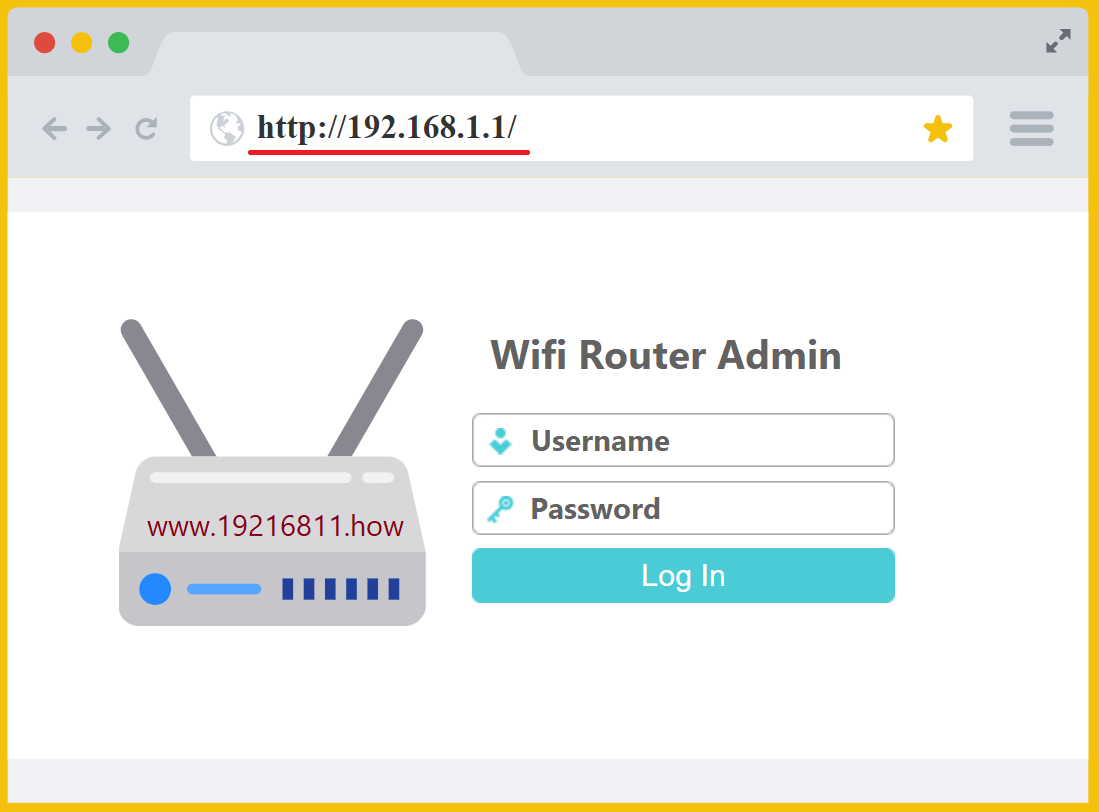
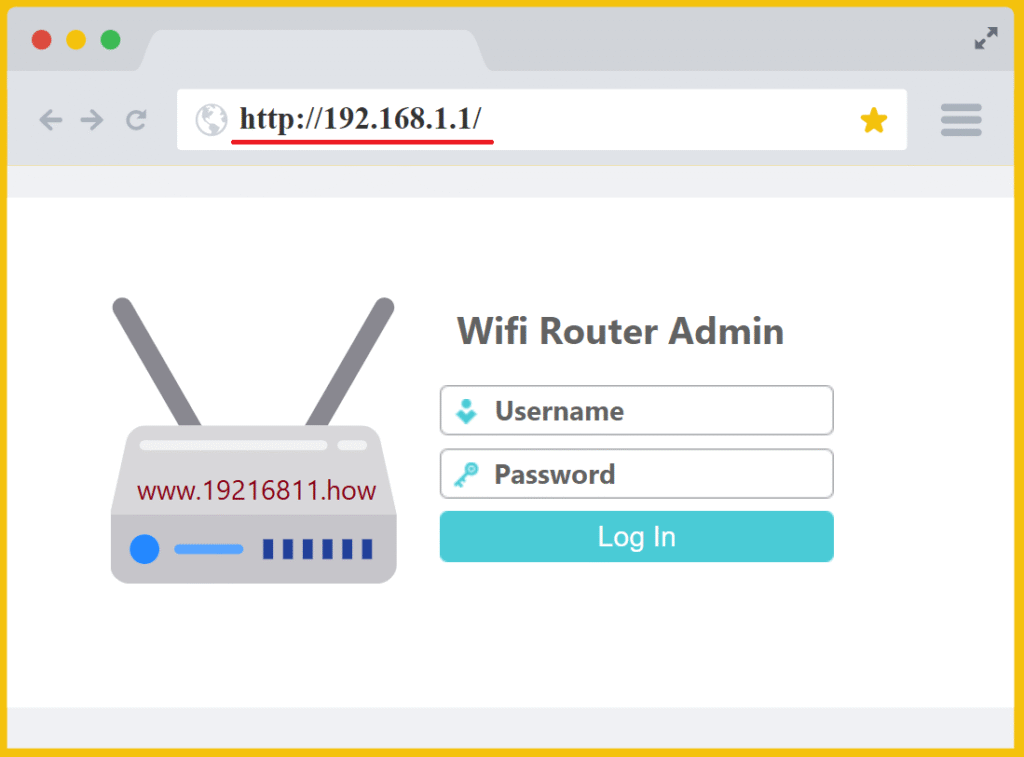
Next, open your preferred web browser. This can be any browser such as Google Chrome, Mozilla Firefox, or Safari. In the address bar at the top of the browser window, carefully type the IP address 192.168.1.1 and hit the Enter key. It is important to note the use of dots rather than spaces, as any incorrect formatting may impede access to the interface.
Upon entering the IP address, you should be redirected to the router’s login page. Here, you will need to input the necessary login credentials. The default username and password can typically be found in the router’s manual or on a sticker located on the back or bottom of the device. If you have personalized these login credentials, ensure you use the updated information. If you experience difficulty logging in, verify that you have entered the correct IP address and user credentials.
For users who continue to face challenges accessing the 192 l.168.1.1 address, it may be beneficial to check your device’s network settings to confirm you are connected to the correct network. Additionally, restarting your router and device can refresh the connection and resolve temporary glitches. If problems persist, consider reaching out to your Internet Service Provider for further assistance.
Troubleshooting Issues with 192 l.168.1.1
Accessing the IP address 192 l.168.1.1 can sometimes lead to various connectivity challenges. Users may encounter error messages or the address may fail to respond altogether. Understanding common issues associated with this IP address is essential for effective troubleshooting.
One common problem is receiving an error message when trying to access 192 l.168.1.1. This could stem from multiple sources, including typing the address incorrectly or network connectivity issues. Ensure that the IP address is entered accurately and double-check for any inadvertent typos. If this does not resolve the issue, you may consider verifying your device’s connection to the router. Utilize options such as wired connections, if possible, to eliminate issues related to Wi-Fi signal strength.
If you find that 192 l.168.1.1 does not respond at all, a few steps can be taken to address this. First, restart your router and your device; this simple reboot can often rectify minor network glitches. Additionally, confirm that your device is connected to the correct network. Sometimes users are inadvertently connected to guest networks or alternate connections, thus failing to reach the router’s settings at the specified IP address.
Furthermore, check the configuration settings of the firewall or security software, as they may block access to 192 l.168.1.1. Adjusting these settings may be necessary to permit your device to communicate effectively with the router. In cases where the router has been misconfigured, a factory reset might be necessary. However, be sure to note that this will erase all current settings, necessitating a complete reconfiguration afterward.
In conclusion, troubleshooting access to 192 l.168.1.1 involves a systematic approach to identifying potential issues. By checking connectivity, restarting devices, and adjusting firewall settings, users can effectively resolve many common problems encountered during the process of accessing this IP address.
