


Introduction: A Small Word With a Big Feeling
You know what’s interesting? Sometimes a single word—jeme môtre especially one that doesn’t quite fit into neat dictionary boxes—can make us pause and feel something. That’s exactly what jeme môtre does.
At first glance, jememôtre looks unfamiliar, maybe even invented. And honestly, that’s part of the magic. It feels like one of those words that appears online, in conversations, or in creative spaces where people are trying to describe something deeply personal but hard to explain. We’ve all been there, right? That moment when existing words just don’t do the job.
So, what is jeme môtre really about?
Well, to be honest, jeme môtre isn’t just a word. It’s more like a concept—a feeling tied to identity, self-awareness, and expression. It’s about the way we see ourselves, the way we become ourselves, and how language evolves to keep up with human emotion.
And trust me, once you start thinking about jeme môtre, you’ll see it everywhere.
What Is Jememôtre, Really?
A Word That Feels More Than It Explains
Jeme môtre doesn’t come with a neat, official definition—and that’s kind of the point. It’s often used to describe a state of being, a self-reflective moment, or even a personal realization that feels too complex for ordinary language.
Think of jeme môtre as:
- The moment you realize you’ve changed
- The quiet awareness of who you are becoming
- That internal dialogue where you say, “This is me, right now”
And yes, it’s subtle. But subtle things often hit the hardest.
Why Jememôtre Resonates With So Many People
So why are people drawn to jeme môtre?
Because we’re living in a time where identity is fluid, evolving, and constantly questioned. Jeme môtre captures that uncertainty without judging it. It allows space for growth, confusion, and honesty.
And honestly, in a world that demands labels for everything, jeme môtre feels like a breath of fresh air.
The Emotional Core of Jememôtre
Jememôtre and Self-Reflection
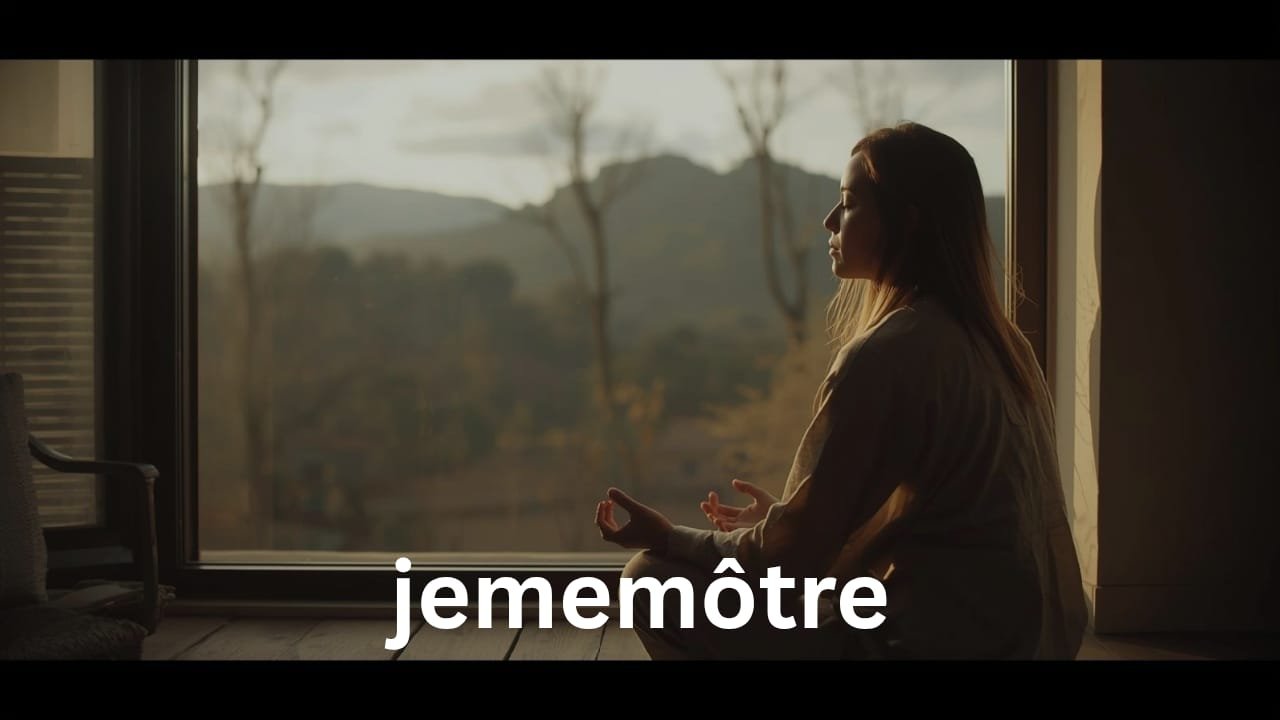
At its heart, jeme môtre is deeply emotional. It’s tied to those quiet moments when you’re alone with your thoughts.
You know the ones:
- Late at night, staring at the ceiling
- During a long walk when your mind drifts
- After a conversation that changes how you see yourself
That’s jeme môtre in action.
It’s not loud. It doesn’t announce itself. But it stays with you.
Why Jememôtre Feels Personal to Everyone
What’s fascinating is that everyone experiences jeme môtre differently.
For one person, jeme môtre might mean:
- Accepting a new version of themselves
For another, it could be:
- Letting go of an old identity
And for someone else:
- Simply acknowledging their emotions without trying to fix them
And that flexibility is what makes jeme môtre so powerful.
Jememôtre in Modern Culture
How Jememôtre Fits Into Today’s Conversations
Language evolves because humans evolve. Jeme môtre fits perfectly into modern discussions about:
- Mental health
- Self-growth
- Emotional awareness
- Personal authenticity
We’re no longer satisfied with surface-level explanations. We want words that feel right. Jeme môtre fills that gap.
Jememôtre and Digital Expression
Online spaces play a huge role in the rise of words like jeme môtre. Social platforms, creative communities, and personal blogs give people freedom to experiment with language.
And so, jeme môtre becomes:
- A caption under a thoughtful photo
- A line in a poem
- A hashtag expressing inner change
It doesn’t need to be defined perfectly. It just needs to be felt.
The Psychology Behind Jememôtre
Why Humans Create Words Like Jememôtre
From a psychological perspective, humans invent words when emotions outgrow vocabulary. Jeme môtre exists because people need language for:
- Inner transformation
- Self-awareness
- Emotional shifts
And actually, psychologists have long acknowledged that naming emotions helps us process them. Jeme môtre gives a name to something many people feel but can’t quite explain.
Jememôtre as Emotional Validation
When someone says, “I’m in my jeme môtre phase,” what they’re really saying is:
- “I’m figuring myself out”
- “I’m allowed to change”
- “I don’t have all the answers yet”
And that’s incredibly validating.
How Jememôtre Shows Up in Everyday Life
Real-Life Examples of Jememôtre
Let’s make this practical. Jeme môtre might show up when:
- You change careers and feel both excited and scared
- You outgrow friendships and don’t know how to explain it
- You stop pretending to be someone you’re not
We’ve all been there. That mix of relief and uncertainty? That’s jeme môtre.
Jememôtre in Relationships
Relationships often trigger jeme môtre moments. You might experience it when:
- You set boundaries for the first time
- You realize you deserve better
- You learn to communicate honestly
And while it can feel uncomfortable, jeme môtre usually leads to healthier connections.
Jememôtre and Personal Growth
Why Jememôtre Is a Sign of Growth
Here’s the thing: jeme môtre isn’t something to avoid. It’s often a sign that you’re growing.
Growth rarely feels comfortable. It feels messy, emotional, and uncertain. Jeme môtre sits right in that space.
So if you’re feeling it, that’s not a problem. That’s progress.
Embracing Jememôtre Instead of Fighting It
Instead of resisting jeme môtre, try:
- Journaling your thoughts
- Sitting with your emotions without judgment
- Allowing yourself to evolve
Trust me, you’ll see why this matters later.
Common Misunderstandings About Jememôtre
Jememôtre Is Not Confusion Alone
One common mistake is thinking jeme môtre is just confusion. But it’s more than that.
Confusion feels chaotic. Jeme môtre feels reflective.
It’s not about being lost—it’s about searching with intention.
Jememôtre Is Not Weakness
Another misconception? That jeme môtre means you’re unsure or unstable.
Actually, it takes strength to sit with uncertainty. Jeme môtre represents emotional courage, not weakness.
How to Navigate a Jememôtre Phase
Practical Tips for Handling Jememôtre
If you feel like you’re in a jeme môtre phase, here are a few gentle tips:
- Slow down – You don’t need immediate answers
- Be honest with yourself – Even when it’s uncomfortable
- Talk it out – Trusted friends help more than you think
- Create something – Writing, art, or music can clarify emotions
And remember, this phase doesn’t last forever.
Letting Jeme môtre Guide You
Instead of asking, “How do I get rid of this feeling?” try asking:
- “What is jeme môtre teaching me?”
Sometimes, the lesson is simply self-acceptance.
Jememôtre and Creativity
Why Artists Connect Deeply With Jeme môtre
Artists, writers, and creators often resonate strongly with jeme môtre. Why? Because creativity thrives in self-exploration.
Jeme môtre fuels:
- Honest storytelling
- Emotional art
- Authentic expression
It’s the space where creativity feels raw and real.
Using Jememôtre as Creative Fuel
If you’re creative, lean into jeme môtre. Use it as inspiration rather than resisting it. Some of the most meaningful work comes from these in-between moments.
The Future of Jememôtre
Will Jeme môtre Become More Popular?
It’s very possible. As people continue exploring identity and emotional wellness, jeme môtre may gain wider recognition.
But even if it doesn’t, that doesn’t reduce its value.
Some words aren’t meant for dictionaries. They’re meant for hearts.
Why Jememôtre Will Always Matter
As long as humans grow, change, and reflect, jeme môtre will remain relevant. It captures something timeless—the journey of becoming yourself.
Conclusion: Why Jememôtre Deserves Attention
So, let’s sum it up.
Jememôtre isn’t just a word. It’s an experience. A quiet, powerful moment of self-awareness that reminds us we’re allowed to change.
If you’re feeling jeme môtre right now, take comfort in this: you’re not behind, broken, or lost. You’re evolving.
And honestly, that’s something worth embracing.
