


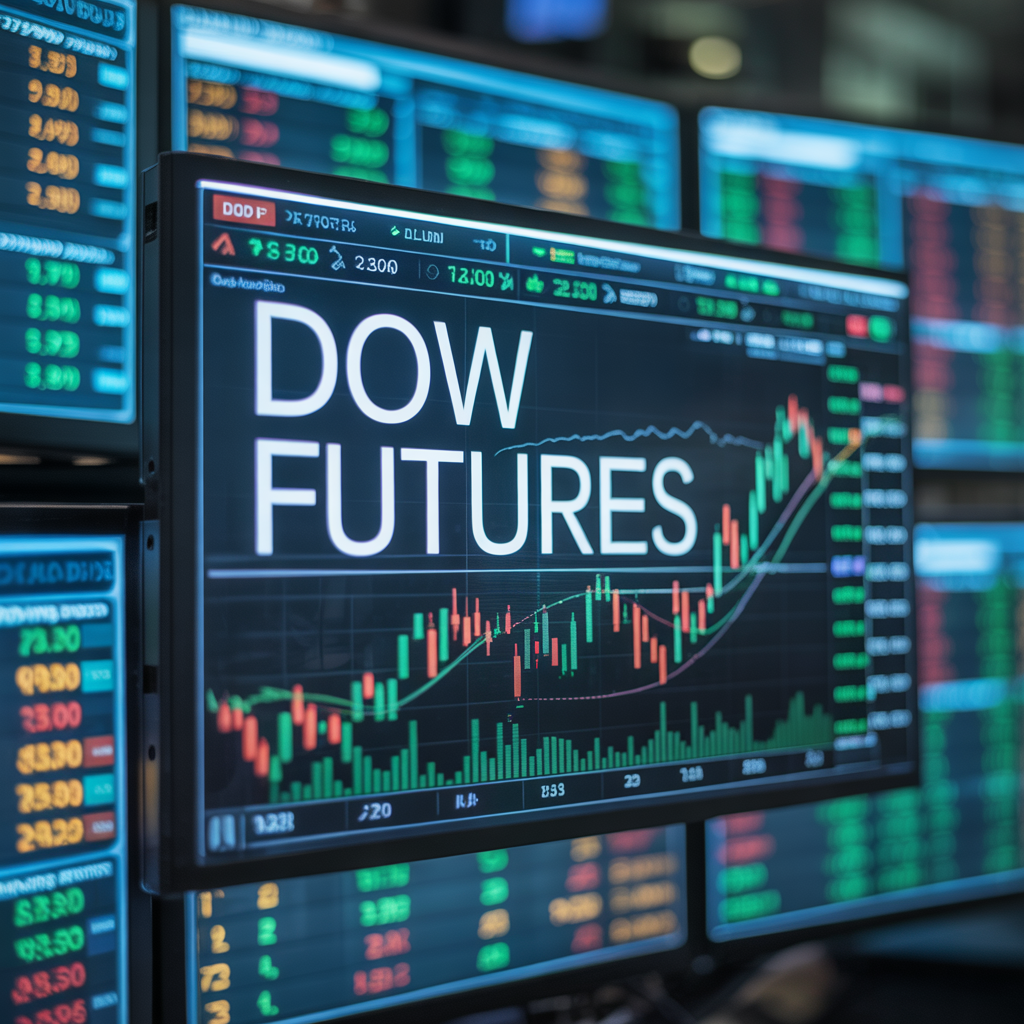
Introduction: Why Dow Futures Feel So Important Before the Market Even Opens
You know that feeling when you wake up, grab Dow futures your phone, and before you’ve even had coffee, you check how the market is doing? Yeah, we’ve all been there. And more often than not, the first thing staring back at you is Dow futures.
Actually, it’s kind Dow futures of fascinating. The stock market hasn’t even opened yet, but Dow futures are already hinting at what kind of day traders and investors might be in for. Sometimes they’re glowing green, full of optimism. Other times, they’re deep red, quietly warning us that things could get rough.
So what’s the real story behind Dow futures? Are they crystal balls that predict the market’s future, or are they just another noisy indicator people obsess over? To be honest, the truth sits somewhere in the middle.
In this guide, we’re going to break down Dowfutures in plain English. No confusing jargon. No robotic explanations. Just a friendly, real-world look at what they are, how they work, and why they matter more than most people realize.
Trust me, by the end, you’ll look at Dow futures very differently.
What Are Dow Futures, Really?
Before we go any further, let’s clear the air.
Dowfutures are financial contracts that speculate on the future value of the Dow Jones Industrial Average (DJIA). In simpler terms, they represent a bet on where the Dow index is headed before the stock market actually opens.
And here’s what’s interesting: these futures trade almost around the clock. That means while most of us are sleeping, global events are already influencing Dow futures.
The Basic Idea Behind Dow Futures
Think of Dowfutures like a weather forecast for the stock market.
They don’t guarantee sunshine or rain, but they give you a pretty solid idea of what’s coming. If Dow futures are up significantly, investors expect the market to open higher. If they’re down, well, you can probably guess what that means.
But—and this is important—they’re expectations, not promises.
How Dow Futures Work (Without the Headache)
Let’s keep this simple, because honestly, it doesn’t need to be complicated.
Dow Futures Explained Step by Step
- Dowfutures are contracts traded on futures exchanges
- They track the expected movement of the Dow Jones index
- Traders buy or sell them based on news, data, and global events
- Their prices change constantly, even when stock markets are closed
So, when you see headlines like “Dowfutures rise 200 points”, it means futures traders expect the Dow to open higher by around that amount.
Sounds straightforward, right? Well, mostly.
Who Trades Dow Futures?
You might assume it’s just Wall Street pros in fancy suits. Actually, it’s a mix:
- Institutional investors
- Hedge funds
- Professional traders
- And even experienced retail traders
They use Dowfutures to hedge risk, speculate, or react quickly to breaking news.
Why Dow Futures Matter So Much to Investors
You might be wondering, “Why does everyone obsess over Dowfutures?” Fair question.
Dow Futures Set the Market Mood
Dowfutures act like an emotional thermometer for the market.
- Positive futures = optimism
- Negative futures = fear or caution
When futures are strongly up or down, they shape how traders feel before the opening bell even rings.
And you know what’s interesting? Market psychology plays a massive role in price movement. Sometimes, Dow futures move simply because people expect others to react.
They React to Global Events Instantly
Unlike regular stock trading hours, Dowfutures respond immediately to:
- Economic data releases
- Inflation reports
- Interest rate announcements
- Global conflicts
- Earnings surprises
- Overnight market moves in Asia or Europe
So while the stock market sleeps, Dowfutures stay wide awake.
Dow Futures vs Dow Jones Index: Don’t Confuse the Two
This is where many beginners trip up, so let’s clear it up once and for all.
Key Differences Explained Simply
- Dow Jones Index: Reflects actual stock prices during market hours
- Dow Futures: Reflect expectations about where the Dow will go
Dowfutures don’t move the index directly, but they strongly influence how trading starts each day.
So, when Dowfutures are sharply higher, you’ll often see stocks open higher too. Not always—but often enough to matter.
What Moves Dow Futures Up or Down?
Here’s where things get really interesting.
Dowfutures don’t move randomly. They respond to real-world triggers, and sometimes emotional ones too.
Economic Data Is a Big Driver
Reports like these can send Dowfutures flying or crashing:
- Jobs reports
- Inflation data (CPI, PPI)
- GDP numbers
- Consumer confidence
If inflation comes in hotter than expected, Dowfutures might drop fast. If job growth surprises to the upside, futures can jump.
Federal Reserve Decisions Matter a Lot
Let’s be honest—the Fed has serious power.
Interest rate decisions, policy statements, and even subtle wording changes can shake Dowfutures instantly. Traders read between the lines, sometimes a little too much.
Corporate Earnings and Guidance
When major Dow companies report earnings after hours, Dowfutures react.
A strong earnings report from a heavyweight stock can lift futures. A disappointing outlook? You guessed it—futures slide.
Can You Trade Dow Futures Directly?
Short answer: yes. But it’s not for everyone.
How Dow Futures Trading Works
Dow futures trade through futures contracts like:
- E-mini Dow futures
- Micro E-mini Dowfutures
These contracts allow traders to profit from both rising and falling markets.
Sounds exciting, right? Well, there’s a catch.
Risks You Shouldn’t Ignore
Trading Dowfutures involves:
- Leverage (which magnifies gains and losses)
- High volatility
- Fast price swings
So while profits can be quick, losses can be brutal if you’re not careful. Trust me, many traders learn this the hard way.
Dow Futures and Pre-Market Trading: The Connection
Here’s something many people don’t realize.
Dowfutures often guide pre-market stock trading.
If futures are sharply lower, pre-market prices often reflect that fear. If they’re higher, optimism shows up early.
But remember, pre-market trading has low volume. Things can change fast once regular trading begins.
Are Dow Futures Always Accurate?
Let’s be honest here—no.
When Dow Futures Get It Wrong
Dowfutures can signal a strong open, only for the market to reverse completely by midday. Why?
- New information emerges
- Investor sentiment shifts
- Unexpected news breaks
So while Dowfutures are helpful, they’re not fortune-tellers.
How Smart Investors Use Them
Experienced investors use Dowfutures as context, not commands.
They ask questions like:
- Why are futures moving?
- What news is driving sentiment?
- Does this align with long-term trends?
That mindset makes all the difference.
Dow Futures in Bull Markets vs Bear Markets
Here’s a subtle but important point.
In Bull Markets
Dowfutures dips are often bought quickly. Investors see weakness as opportunity.
In Bear Markets
Negative Dowfutures moves tend to carry more weight. Fear dominates, and selling pressure builds faster.
Understanding the broader market environment helps you interpret Dowfutures more accurately.
Common Mistakes People Make With Dow Futures
Let’s talk about what not to do.
Mistake #1: Blindly Following Futures
Just because Dowfutures are up doesn’t mean you should buy everything in sight.
Mistake #2: Ignoring the News Behind the Move
The why matters more than the number itself.
Mistake #3: Overreacting Emotionally
Dowfutures can change quickly. Panicking based on early signals is rarely a winning strategy.
We’ve all felt that urge to react instantly. But slowing down often leads to better decisions.
How Long-Term Investors Should View Dow Futures
If you’re investing for years, not days, here’s some good news.
Dowfutures matter less for long-term portfolios.
They’re great for understanding short-term sentiment, but long-term success comes from fundamentals, patience, and discipline.
So yes, check Dowfutures. Just don’t let them control your emotions.
The Psychological Side of Dow Futures
You know what’s really powerful about Dowfutures?
They influence how people feel.
Fear spreads faster than logic. Optimism can turn into overconfidence. And Dowfutures often spark those emotional reactions before the market even opens.
Recognizing this psychological effect can help you stay calm while others panic.
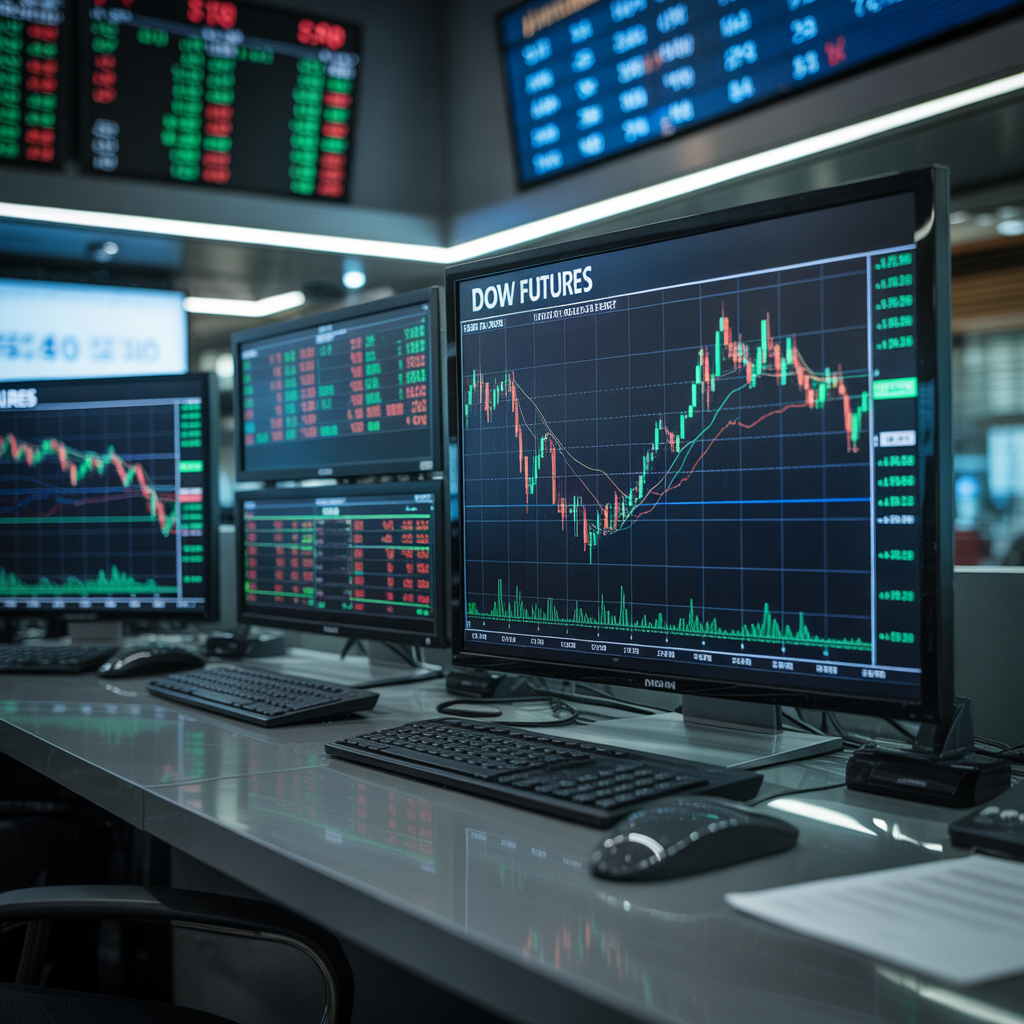
Conclusion: How to Use Dow Futures the Smart Way
So, what’s the takeaway here?
Dow futures are a tool—not a guarantee.
They offer insight Dow futures into market sentiment, global reactions, and short-term expectations. Used wisely, they can help you prepare mentally and strategically for the trading day ahead.
But if you treat Dowfutures like a crystal ball, you’ll probably end up disappointed.
The smart approach? Stay informed, stay calm, and always look at the bigger picture. That’s where real confidence in the market comes from.
